Coconut Derivates Products
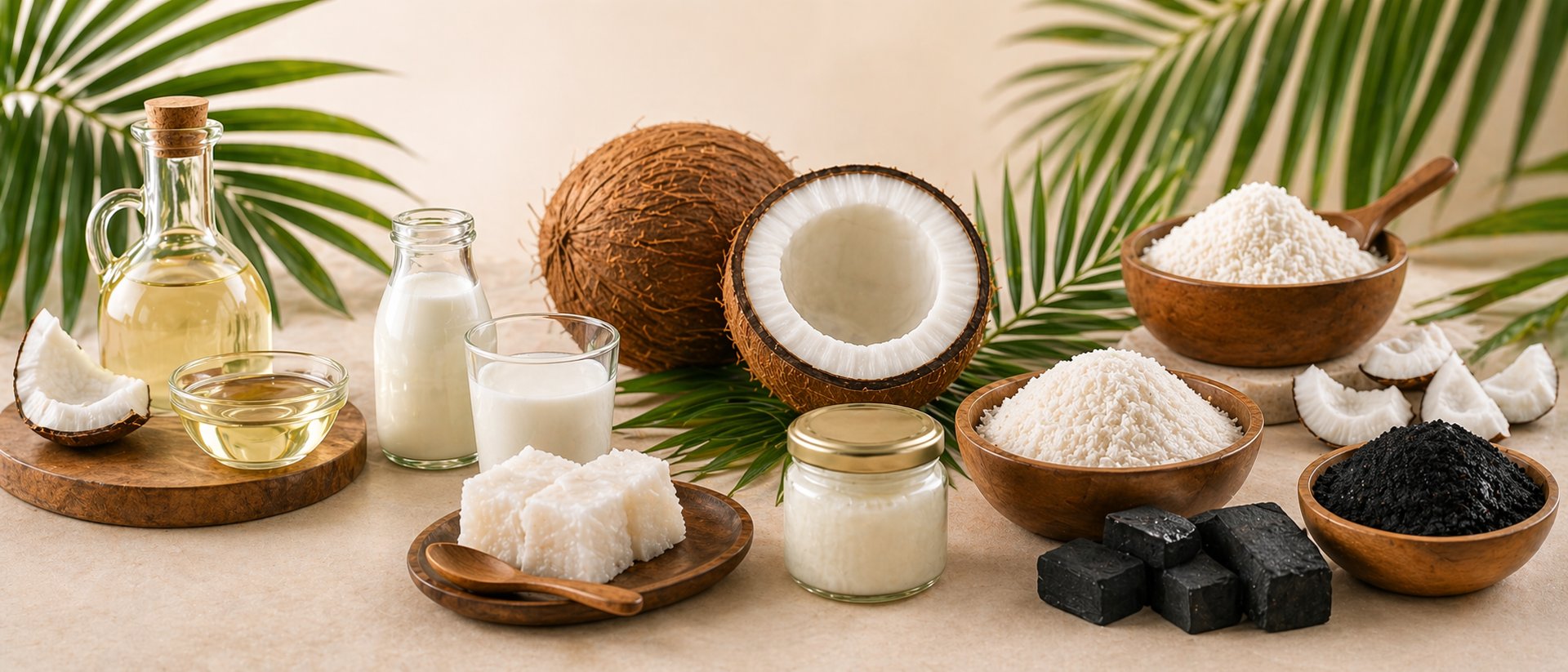
Coconut Derivatives Products are widely used across multiple industries, including food and beverages, cosmetics, pharmaceuticals, and sustainable materials. Rich in natural nutrients and derived from renewable resources, coconut derivatives are valued for their purity, functionality, and eco-friendly characteristics. With growing global demand for natural and plant-based solutions, coconut-based products continue to play an important role in supporting healthy lifestyles and sustainable business practices.
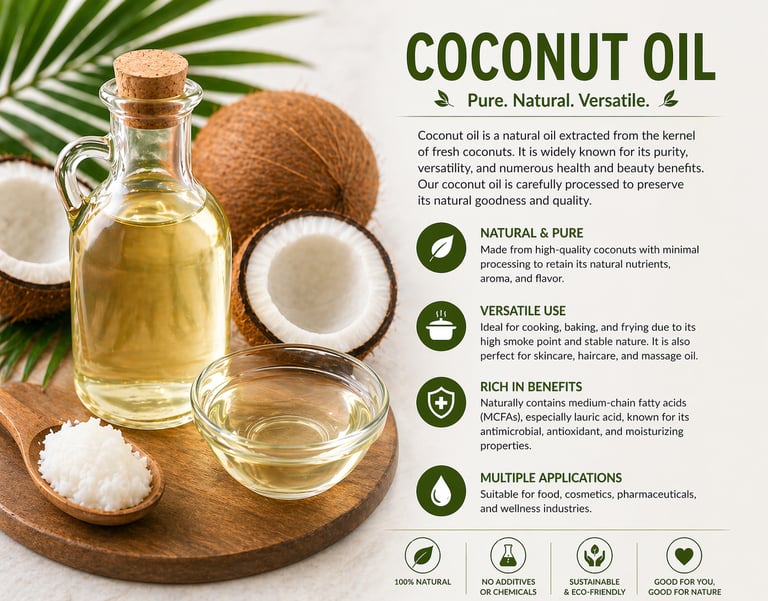
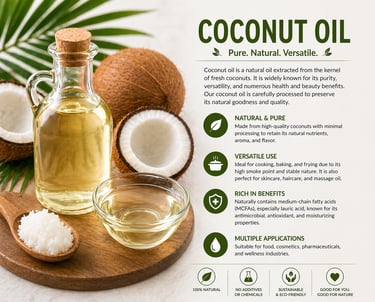
Coconut Oil
Coconut oil is a natural oil extracted from the kernel or meat of mature coconuts. It is available in different types such as virgin coconut oil (VCO) and refined coconut oil, depending on the extraction process. Known for its high content of saturated fats, particularly lauric acid, coconut oil offers excellent oxidative stability, making it ideal for high-temperature cooking. In addition to food applications, it is widely used in cosmetics, pharmaceuticals, and personal care products due to its moisturizing, antibacterial, and antioxidant properties. Coconut oil is also commonly used as a carrier oil in aromatherapy and massage products.
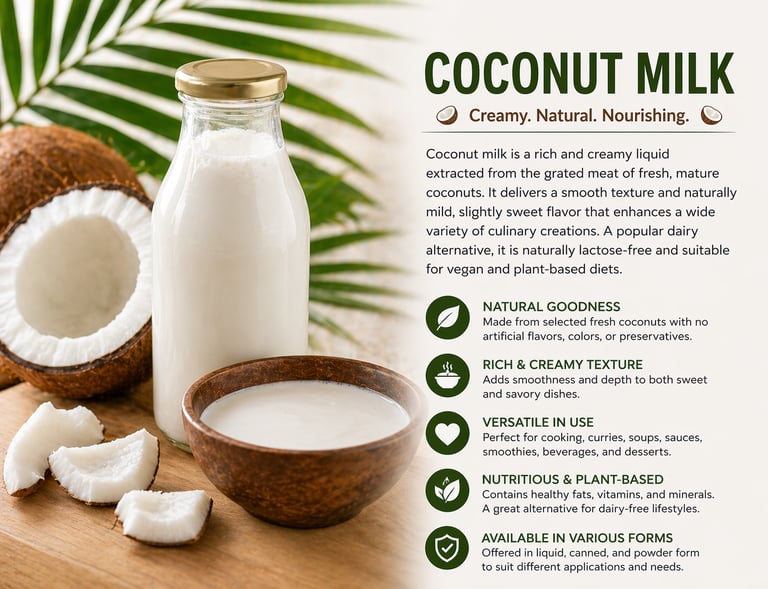
Coconut Milk
Coconut milk is a rich, creamy liquid obtained by pressing fresh grated coconut meat with water. It is widely used in both traditional and modern cuisine, especially in Asian, African, and tropical dishes. Coconut milk provides a smooth texture and a naturally sweet, nutty flavor, making it ideal for curries, soups, sauces, desserts, and beverages. It contains healthy fats, vitamins, and minerals, and is also popular as a dairy-free alternative for lactose-intolerant consumers. Coconut milk can be processed into various forms such as canned milk, powder, or ready-to-drink beverages.
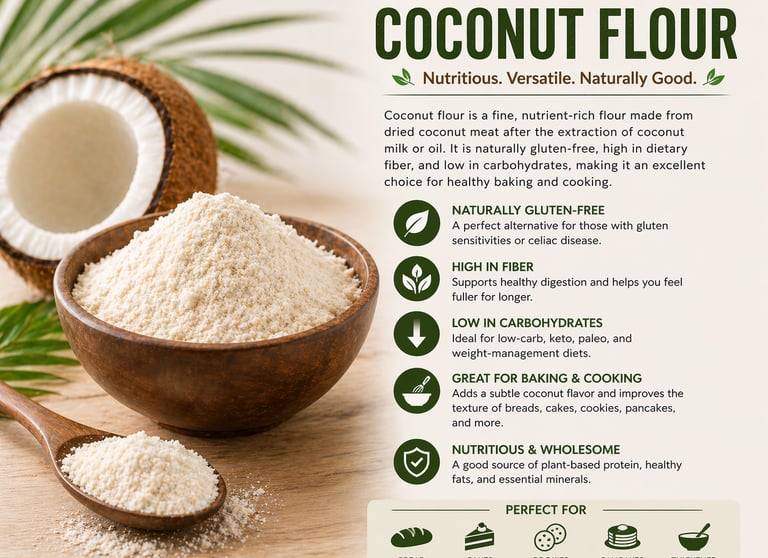
Coconut Flour
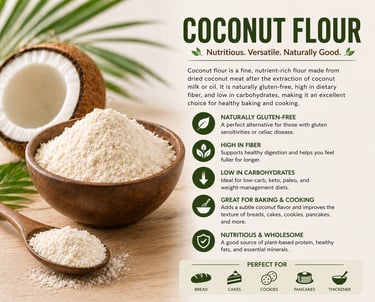
Coconut flour is a fine, powdery flour made from dried and defatted coconut meat after the extraction of coconut milk or oil. It is naturally gluten-free, high in dietary fiber, and low in carbohydrates, making it a popular choice for health-conscious consumers and specialized diets such as keto and paleo. Coconut flour has excellent water absorption properties and is commonly used in baking applications including bread, cakes, cookies, and pancakes. It adds a mild coconut flavor and improves the nutritional profile of food products.
Desiccated Coconut
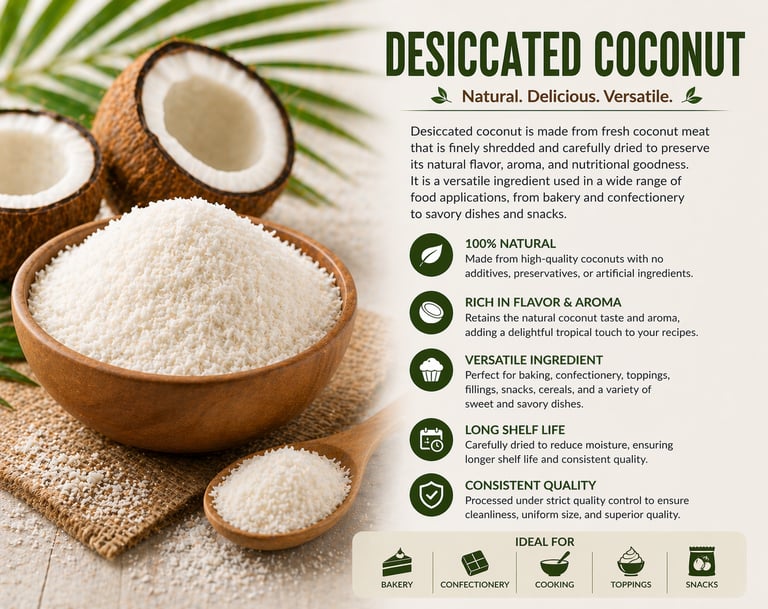
Desiccated coconut is produced by shredding fresh coconut meat and drying it under controlled conditions to reduce moisture content while preserving flavor and texture. It is available in various grades such as fine, medium, and coarse. This product is widely used in the food industry for bakery products, confectionery, chocolate fillings, snacks, and desserts. Desiccated coconut is valued for its long shelf life, consistent quality, and natural coconut aroma, making it a key ingredient in both industrial and household applications.
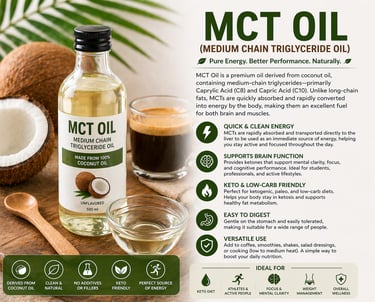
MCT Oil (Medium Chain Triglyceride Oil)
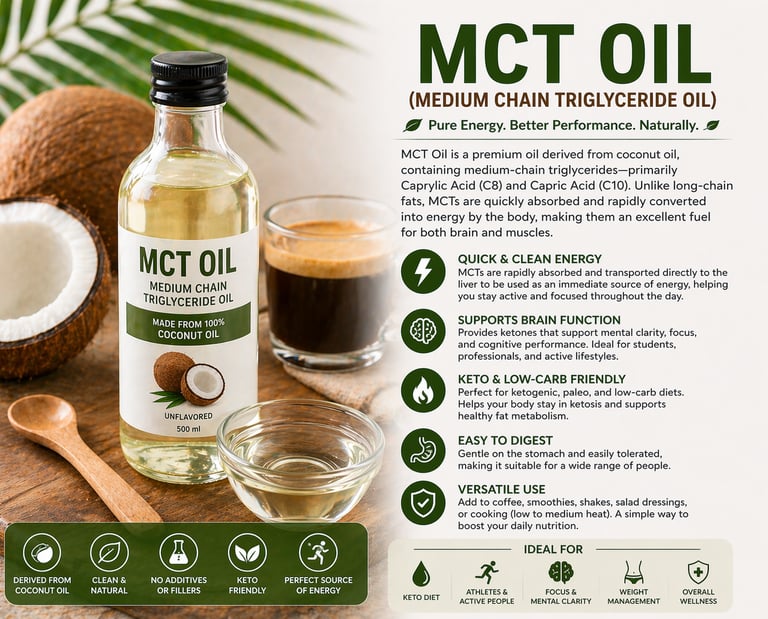
MCT oil is a highly refined oil derived from coconut oil, consisting mainly of medium-chain fatty acids such as caprylic acid (C8) and capric acid (C10). Unlike long-chain fats, MCTs are rapidly absorbed and metabolized by the body, providing a quick and efficient source of energy. This makes MCT oil popular among athletes, fitness enthusiasts, and individuals following ketogenic or low-carb diets. It is commonly used as a dietary supplement, added to coffee, smoothies, and functional foods. MCT oil is also used in clinical nutrition and medical formulations.
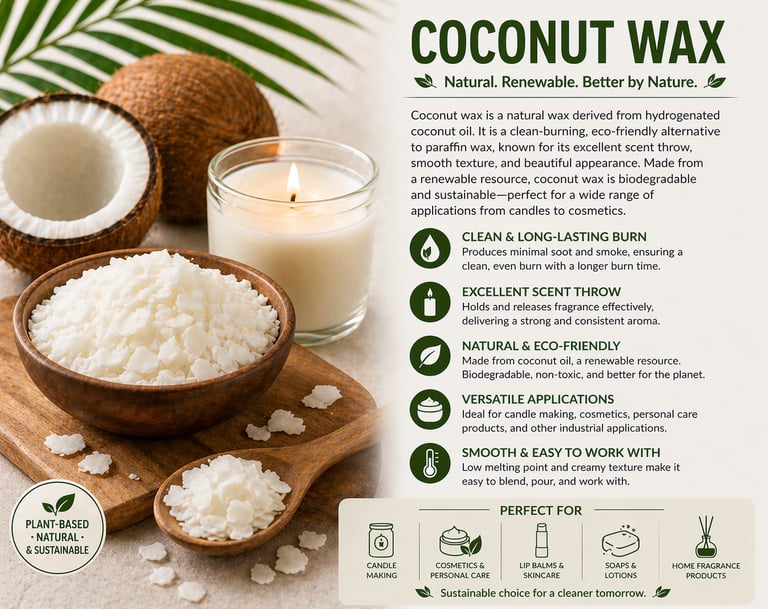
Coconut Wax
Coconut wax is a natural, eco-friendly wax derived from hydrogenated coconut oil. It is known for its clean-burning properties, smooth texture, and excellent scent throw, making it a premium choice for candle manufacturing. Coconut wax is biodegradable, renewable, and produces minimal soot compared to traditional paraffin wax. In addition to candles, it is also used in cosmetics such as lip balms, lotions, and creams due to its moisturizing and skin-friendly characteristics. Its sustainable nature makes it highly attractive in the growing green product market.
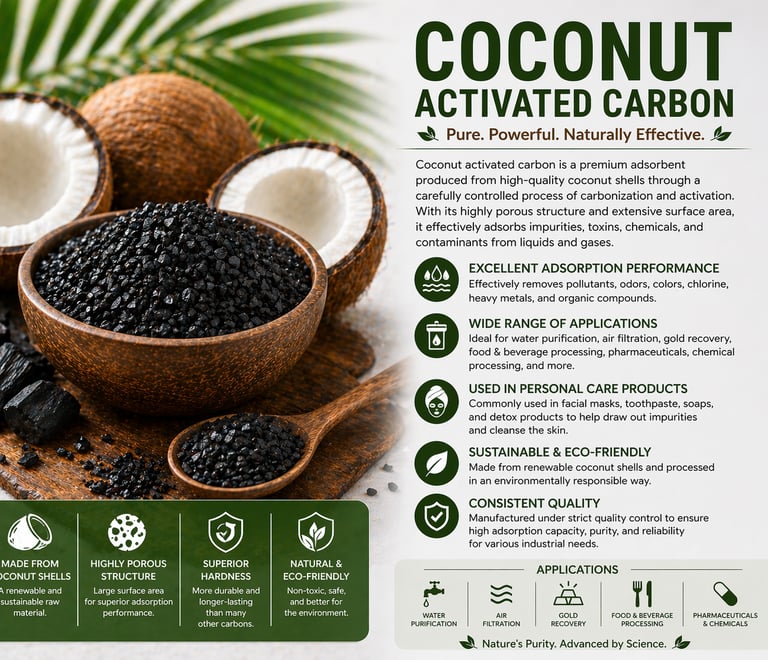
Coconut Activated Carbon (Activated Charcoal)
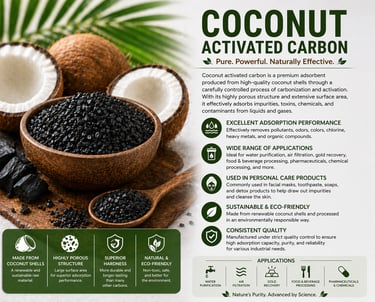
Coconut activated carbon is a high-quality adsorbent material produced from coconut shells through a process of carbonization and activation at high temperatures. It has a highly porous structure and large surface area, enabling it to effectively absorb impurities, toxins, and contaminants. This product is widely used in water purification systems, air filtration, gold recovery, food processing, and pharmaceutical applications. In the personal care industry, it is also used in products such as facial masks, toothpaste, and detox treatments. Coconut-based activated carbon is preferred due to its superior hardness and adsorption efficiency.
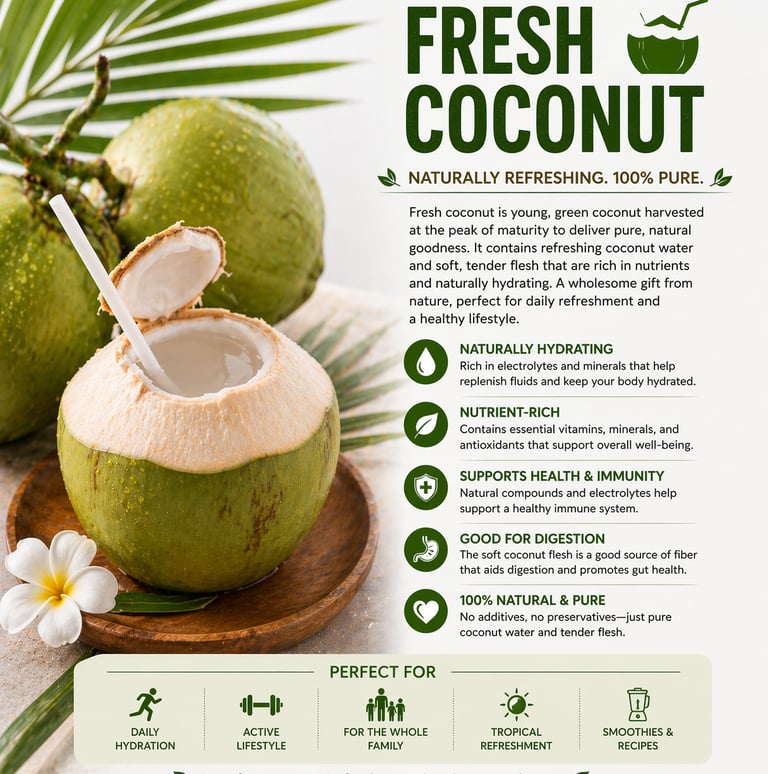
Fresh Coconut
Fresh coconut is the raw agricultural product harvested from coconut trees, serving as the primary source for all coconut derivatives. It consists of coconut water, a naturally refreshing and nutrient-rich liquid, and coconut meat, which is used for various food and industrial applications. Fresh coconuts are consumed directly or processed into value-added products such as oil, milk, flour, and more. They are widely traded globally due to their versatility, nutritional value, and demand across multiple industries including food, beverage, cosmetics, and bioenergy.